Merfez: What It Means, Its Fashion Links, and What’s Verified

You see a word like “Merfez” in a search result, a social post, or a design article and assume there must be a clean definition waiting somewhere. Maybe it’s a fabric. Maybe a fashion label. Maybe a new aesthetic with a very specific look.

Here’s the catch: the evidence doesn’t support one neat answer.

Merfez currently functions more like a context-dependent name than a universally defined fashion term. The clearest verifiable use is as a name associated with online publishing sites, while recent web pages also attach the word to handcrafted home textiles, lifestyle ideas, technology concepts, and even travel claims. Those uses do not appear to come from one established dictionary definition, one recognized fashion movement, or one documented textile tradition.

For fashion readers, that distinction matters. A word can circulate around style and textiles without becoming accepted fashion terminology.

What Is Merfez?

Merfez is an uncommon name or label used online in several unrelated contexts. There isn’t one universally accepted definition that can be verified from established reference sources. Current evidence supports treating Merfez as context-dependent: what it means depends on the specific website, product description, or discussion where you encounter it.

One concrete use is digital publishing. On its Modern Applications page, Merfez.org describes Merfez as a platform publishing material about technology, business, finance, artificial intelligence, software, cybersecurity, online tools, and educational subjects. The page also acknowledges that the exact origin of the name is not widely documented.

A separate Merfez.co.uk contact page describes that site as a place for articles, guides, and everyday knowledge. So there is direct evidence for the name being used by online publishing properties, rather than one exclusively fashion-related entity.

The broader meanings are less settled.

Across 2026 search results, other pages describe Merfez as an artisan-textile brand, a cozy home-design idea, a productivity framework, a lifestyle philosophy, or a travel destination. The problem is that these descriptions frequently conflict, and many don’t point readers to strong primary documentation.

The practical way to understand Merfez is to identify the context first and the claim second. Don’t assume every page using the word is talking about the same entity.

Why Are People Seeing Merfez in So Many Different Contexts?

The current search landscape itself appears to be reinforcing the ambiguity. Many recently published pages start from the idea that Merfez has no fixed meaning, then present several possible interpretations involving publishing, home design, creativity, technology, lifestyle, or travel. That repetition can make the term look more standardized than the underlying evidence supports.

Repetition is not the same thing as verification.

A distinctive name can travel between sites because different publishers adopt it, because writers target the same emerging query, or because later pages repeat descriptions found elsewhere. Without an authoritative linguistic record, a documented creator, a recognized trade definition, or a clear primary brand source, it’s risky to turn that repetition into a confident history lesson.

One thing that stands out in the current results is how many pages catalogue numerous meanings without ranking them according to evidence. A digital platform, an aesthetic philosophy, a Turkish destination, and an artisanal rug tradition are treated as if they were equally established interpretations. They aren’t.

That evidence hierarchy is one of the most useful ways to make sense of Merfez.

Is Merfez a Fashion Term?
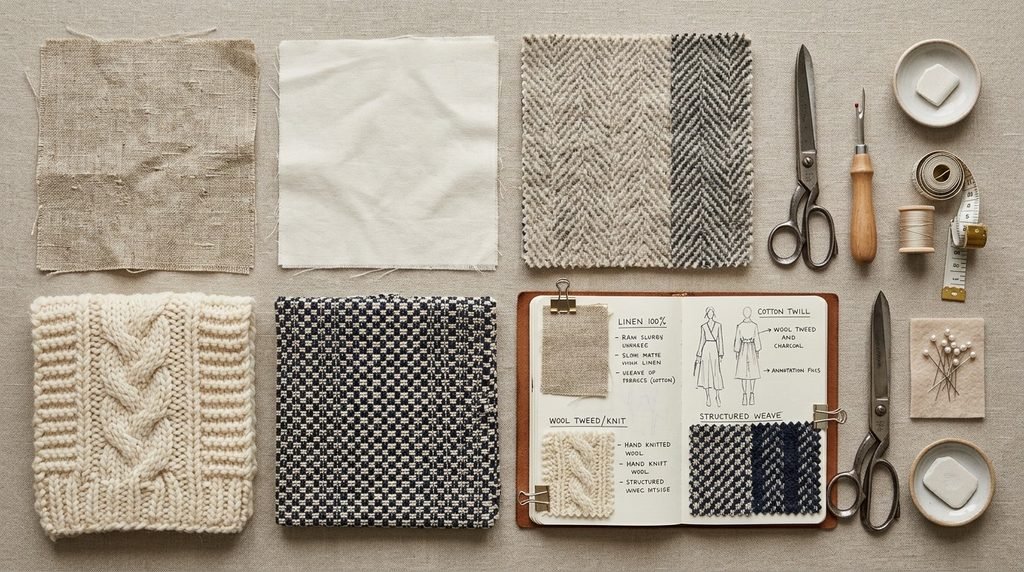
No established fashion-industry definition for Merfez could be verified in the sources reviewed. The word does appear in fashion-adjacent discussions because several recent pages connect it with textiles, rugs, woven throws, natural fibers, craftsmanship, and a handmade aesthetic. Those references, however, are primarily about home décor rather than apparel.

That difference is easy to miss.

Textiles belong to both fashion and interiors. Cotton, wool, linen, weaving, dyeing, texture, and craft techniques can be relevant to clothing as well as home goods. Yet a textile-related article does not automatically make the label it uses a recognized fashion term.

For Merfez specifically, available evidence doesn’t establish it as:

  • a standardized fiber name;
  • a recognized weave or knit structure;
  • a documented dyeing or finishing technique;
  • a widely recognized apparel category;
  • an established fashion movement;
  • or a verified heritage craft tradition.

That doesn’t mean nobody can use Merfez as a brand name, collection name, or creative label. It means the word itself shouldn’t be treated as technical fashion vocabulary without additional proof.

What About Claims That Merfez Is an Artisanal Textile Brand?
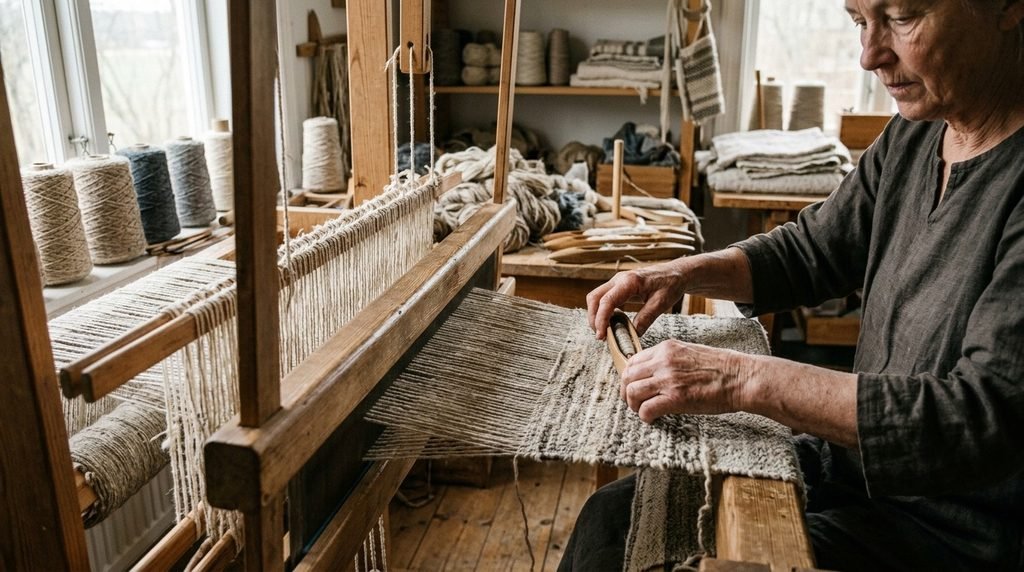
Some current pages explicitly present Merfez as handcrafted home textiles. Those descriptions commonly mention rugs, throws, woven materials, natural fibers, texture, and traditional craftsmanship. What the available evidence does not clearly establish is whether those repeated descriptions trace back to one independently verifiable textile business or recognized product category.

A Palentu article, for example, calls Merfez “a line of artisanal textiles” and describes handcrafted products intended for interiors. Other publishers repeat similar narratives about rugs, throws, wool, cotton, linen, and artisan production.

The evidence level remains limited.

The pages reviewed did not establish one clearly documented fashion or textile company with an authoritative official catalog, transparent ownership, manufacturing documentation, or recognized industry standing sufficient to make “Merfez textiles” a standardized category.

That’s significant because words such as “handmade,” “artisan,” “sustainable,” “traditional,” and “natural” carry real expectations for shoppers. Those qualities should be proven at the product level rather than inferred from evocative branding.

From a fashion perspective, the most useful interpretation is cautious: Merfez may be used as a brand-like or aesthetic label in textile-related content, but it is not currently verified as a standardized textile term.

Merfez Contexts: What’s Documented and What Isn’t?

ContextWhat current pages suggestEvidence levelWhat readers should know
Digital publishingMerfez is used by content websites publishing technology, business, tools, and general informationStrongest direct evidenceThis is a verifiable present-day use of the name
Home textiles and décorSome pages describe rugs, throws, woven fabrics, natural fibers, and artisan craftsmanshipRepeated secondary claimsTreat it as a page- or seller-specific label unless a primary brand source proves more
Fashion/apparelThe term is pulled into some style or textile discussionsWeakNo established apparel or fashion-industry definition was verified
Lifestyle/aesthetic conceptSome articles associate it with simplicity, creativity, authenticity, or intentional livingInterpretiveThese are emerging interpretations rather than a formal definition
Technology frameworkSome pages present Merfez as a digital platform, framework, or integration conceptConflictingVerify the specific platform and documentation before treating it as technical terminology
Travel destinationSeveral pages describe a place called MerfezPoorly supportedReliable geographic or official tourism evidence should come before accepting destination claims

Here’s where things get interesting. This table isn’t really a list of “six meanings.”

It’s a hierarchy of claims.

The digital-publishing use has direct source support. Textile and lifestyle uses are plainly visible online but less firmly documented. Travel and generalized technical-framework stories require even more skepticism.

That evidence-first approach is more useful than pretending every repeated meaning has equal status.

Is Merfez the Same as a Fez?
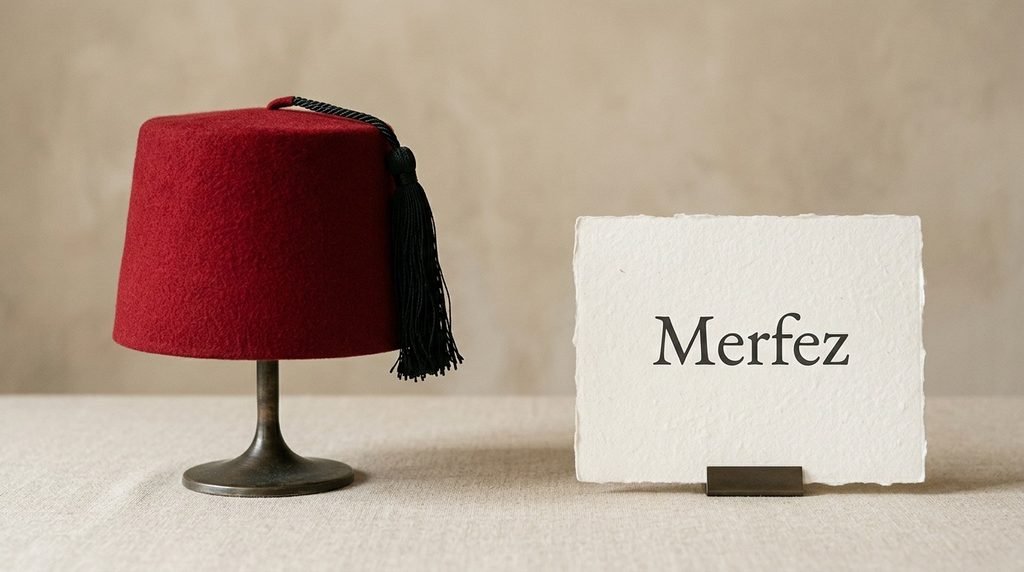
No. “Fez” is an established English word for a brimless hat, traditionally associated with parts of the eastern Mediterranean. Merfez is a different spelling, and no reliable evidence reviewed here establishes Merfez as another name for the fez. Their visual similarity is not enough to make them interchangeable fashion terms.

The Merriam-Webster entry for “fez” defines the garment and traces its known English usage to around 1803.

For fashion readers, that’s a useful comparison. The fez has a documented accessory meaning and linguistic history. Merfez currently does not have the same type of established reference record.

Similar spelling is not etymology.

What Does Merfez Mean for Fashion and Design Readers?

For most fashion readers, Merfez is best treated as a label that needs context rather than a trend you must learn to keep up with style. If someone uses Merfez aesthetically, look for observable design characteristics instead of assuming the word itself carries a fixed visual language.

Ask what the writer or seller is actually describing.

Is it a rug? A woven throw? A fabric? A color palette? A website? A clothing collection? Those aren’t interchangeable categories.

If a writer uses “Merfez style” to describe an aesthetic, see whether that aesthetic can be defined through specific choices such as:

  • fiber or material;
  • weave, knit, embroidery, or surface technique;
  • silhouette or garment construction;
  • color palette;
  • pattern language;
  • production method;
  • cultural or geographic source;
  • or a named designer, studio, or brand.

Without those specifics, “Merfez style” may be doing more mood-setting than explaining.

That doesn’t make creative language useless. Fashion has always absorbed invented names, subcultural labels, brand terms, and shorthand for emerging aesthetics.

Good fashion journalism simply keeps two questions separate: Is somebody using this label? And is the label an established category?

For Merfez, the answer to the first is yes. The second remains unproven.

How Can You Tell Whether a Merfez Claim Is Reliable?

Start with the specific claim, then ask what kind of source should be able to prove it. A brand claim needs a primary brand source. A historical claim needs historical evidence. A textile claim should identify materials or production methods. A travel claim needs reliable geographic confirmation. Generic repetition across blogs isn’t enough.

A practical verification process looks like this:

  1. Identify the entity. Is Merfez being presented as a company, product, concept, place, or style?
  2. Find the primary source. Who actually owns, makes, documents, or officially defines it?
  3. Check the evidence type. A blog post can prove that a claim is circulating; it cannot automatically prove the claim itself.
  4. Look for concrete details. Materials, origin, maker, dimensions, construction, certifications, and care instructions are more useful than atmospheric descriptions.
  5. Watch for recycled certainty. If many pages repeat the same story but none leads back to original evidence, repetition should not increase your confidence.

The biggest warning sign is a highly specific heritage, cultural, scientific, or commercial story attached to very thin sourcing.

What Should U.S. Shoppers Check If Merfez Appears on a Textile or Clothing Listing?

Treat Merfez as a name, not a quality guarantee. For U.S. shoppers, the useful information is still what tells you what an item is made from, where it came from, who is responsible for marketing it, how it was constructed, and how it should be cared for.

The Federal Trade Commission’s apparel and textile guidance says most textile and wool products sold in the United States must include labeling identifying fiber content, country of origin, and the manufacturer or another responsible business.

For covered wearing apparel, the FTC’s Care Labeling Rule also requires manufacturers and importers to provide instructions for proper care.

So if you encounter a “Merfez” garment, textile, rug, or décor item, look beyond the name and check:

  • actual fiber percentages;
  • country of origin;
  • manufacturer, importer, or responsible marketer;
  • care information where applicable;
  • construction details;
  • dimensions or sizing;
  • return policies;
  • and evidence behind claims such as “handmade,” “organic,” “artisan,” or “traditional.”

A stylish coined name can be part of branding. It shouldn’t substitute for basic product transparency.

Does Merfez Have a Verified Origin or History?

No well-documented linguistic origin was established in this research. Several recent articles speculate about Turkish or Arabic connections, while others build broader cultural or historical stories around the word. Those ideas should remain hypotheses unless supported by credible linguistic, archival, or primary-source evidence.

Merfez.org itself states that the name’s exact origin isn’t widely documented.

That is a more defensible position than confidently assigning a heritage to the term.

Some pages suggest a relationship with Turkish words that merely resemble Merfez, but similarity alone does not demonstrate etymology. Other pages describe ancient settlements, inherited craft traditions, or cultural movements without supplying the kind of documentation those claims would require.

Available evidence therefore doesn’t establish an ancient craft lineage, historic fashion movement, or universally recognized cultural meaning for Merfez.

If stronger primary documentation emerges later, the interpretation can change. For now, uncertainty is part of the accurate answer.

What Merfez Does—and Doesn’t—Mean Right Now

Merfez is currently best understood as a context-dependent online name whose meaning changes between sources. A digital-publishing use can be directly verified; fashion, lifestyle, home-textile, technical, and travel interpretations vary considerably in evidentiary strength.

Merfez does appear to be:

  • a current online name used by publishing websites;
  • a keyword appearing across numerous 2026 articles;
  • a label some writers associate with home textiles, design, lifestyle, and creative ideas.

Merfez does not currently appear to be verified as:

  • a standard English fashion term;
  • a recognized fiber, fabric, weave, or garment type;
  • a single universally defined aesthetic;
  • a documented heritage textile tradition;
  • or one clearly established fashion brand that explains every use of the word online.

That’s less dramatic than many of the definitions circulating around the web.

It’s also much more useful.

FAQ / QUICK ANSWERS

Does Merfez have an official meaning?

Not one that could be verified as a universally accepted dictionary, fashion-industry, textile, or academic definition. The term is currently used in multiple contexts, so the source and surrounding discussion matter more than the word alone.

Is Merfez a fashion brand?

A single established fashion brand corresponding to every online use of Merfez was not verified. Some recent pages call Merfez a home-textile or artisan brand, but the evidence reviewed doesn’t justify treating that description as a universal identity for the term.

How is Merfez connected with fashion?

Mostly indirectly. Recent online content connects the term with textiles, natural fibers, weaving, rugs, throws, craftsmanship, and aesthetics. Those are design- and textile-related subjects, but they don’t establish Merfez as a recognized apparel category or fashion movement.

Is Merfez a type of fabric?

No reliable evidence reviewed establishes Merfez as a standard fiber, fabric construction, weave, knit, or textile-finishing term. If a seller uses the name on a textile product, check the actual fiber-content and construction information.

Is Merfez another spelling of fez?

No verified evidence supports that interpretation. “Fez” has its own established dictionary definition referring to a particular style of hat. Merfez should be treated separately unless a specific source can demonstrate a connection.

Why do different websites give Merfez different definitions?

Because the term currently behaves more like a flexible name or emerging keyword than standardized vocabulary. Some sites use it for publishing, others assign it to textiles, lifestyle concepts, technology, or travel. Context and source quality are therefore essential.

CONCLUSION + CTA

The most useful thing to know about Merfez isn’t a glamorous origin story or a supposedly definitive aesthetic. It’s that the term is still unstable.

There is clear evidence for Merfez being used as an online publishing identity. There is also visible but less conclusive usage around textiles, home design, lifestyle, and other topics. What the evidence doesn’t establish is one universal fashion meaning, one standardized fabric definition, or one documented heritage behind every appearance of the name.

For fashion readers and shoppers, that leaves a straightforward rule: follow the evidence behind the label. Look for actual fibers, construction, makers, origins, and primary documentation before treating unfamiliar terminology as an established trend or product category.

For more fashion-focused reading as the site develops, you can visit the FashionDew homepage.

Helena Grace

Helena Grace

Keep in touch with our news & offers

Subscribe to Our Newsletter

Recent Posts

quartz co. teslin recycled down winter jacket
Quartz co. Teslin Recycled Down Winter Jacket Review

A winter coat can look perfectly capable on a hanger and still be wrong for the way you actually spend January. Think about a cold morning commute: wind at the train platform, wet snow on the walk to work, an overheated coffee shop, then another stretch outdoors after dark. The Quartz co. Teslin Recycled Down …

Soia & Kyo Women's Blaire Packable Trench Coat
Soia & Kyo Women’s Blaire Packable Trench Coat Guide

You can love the idea of a trench coat and still leave it at home. A long, structured coat takes up space, becomes another thing to carry through an airport, and may feel excessive once the afternoon turns warmer than the morning. That's the practical problem behind the Soia & Kyo Women's Blaire Packable Trench …

more to come macie maxi dress
More to Come Macie Maxi Dress: Fit, Styling & Buying Guide

The More to Come Macie Maxi Dress is a sheer, unlined knit maxi from contemporary womenswear brand MORE TO COME. Revolve lists it in cream and black, with sizes XXS through XL and a 65% polyester, 35% cotton composition. Its strongest use case is warm-weather, vacation, beach, and intentionally sheer styling—not shoppers seeking a conventional …

Lv Anti-aging Moisturizer: What to Know in 2026 Bottom Line: lv Anti-aging Moisturizer refers to Livinz Medspa's LV Anti-Aging Moisturizer, a $86.99 firming and brightening face moisturizer featuring Lipochroman®, Chromabright®, and unspecified firming peptides. The jar image also mentions a retinoid and identifies the size as 1.7 fl oz/50 mL. The biggest issue isn't the ingredient story—it's transparency. The current listing doesn't provide a complete ingredient list, identify the retinoid, or publish detailed directions, so those details are worth confirming before you buy. Anti-aging moisturizers can make shopping oddly complicated. One jar promises antioxidant protection. Another talks about peptides. A third leans hard on brightening technology. After a while, a bathroom shelf can start to look like a chemistry experiment with nicer packaging. LV Anti-Aging Moisturizer brings several of those ideas into one product. That's interesting. But the useful question isn't whether the ingredient names sound advanced. It's what we can actually verify about the formula, what the evidence says, and whether an $86.99 moisturizer makes sense for your routine. Here's what the available information tells us—and where the blanks still are. What Is lv Anti-aging Moisturizer? lv Anti-aging Moisturizer is the search phrase pointing to LV Anti-Aging Moisturizer, a Livinz Medspa-branded facial moisturizer positioned for firming, brightening, hydration, and the visible signs of aging. Livinz Medspa is a medical-spa business with locations listed in New York and North Carolina and sells an assortment of LV-branded skincare products. The seller's current description highlights three main components: Lipochroman®, promoted for antioxidant activity. Chromabright®, promoted for the appearance of uneven pigmentation. Firming peptides, promoted for fine lines and firmness. Livinz also says the moisturizer hydrates and improves the appearance of lines, wrinkles, and age spots. Those statements should be understood as product marketing claims unless independent testing of the finished formula demonstrates them. There's another wrinkle—figuratively, this time. The current jar image states “Antioxidants and Retinoid,” but the product description doesn't tell shoppers which retinoid is present. That's not a trivial omission. Knowing the actual retinoid matters for sensitivity, routine compatibility, pregnancy precautions, and realistic expectations. lv Anti-aging Moisturizer at a Glance Feature What We Found Why It Matters Product type Firming and brightening antioxidant facial moisturizer It's positioned as a moisturizer with added cosmetic anti-aging benefits rather than a standalone treatment serum. Seller/branding Livinz Medspa / LV-branded skincare The finished-product manufacturer isn't identified on the current listing. Current listed price $86.99 That's premium-moisturizer territory, increasing the importance of formula transparency. Size 1.7 fl oz / 50 mL, shown on the official jar image A common full-size facial moisturizer quantity. Featured ingredients Lipochroman®, Chromabright®, firming peptides Gives the formula an antioxidant + brightening + peptide positioning. Retinoid Official jar image says “Antioxidants and Retinoid”; type/concentration not disclosed in webpage text Retinoid identity can materially affect how and when you use a product. Full ingredient list Not clearly disclosed on the current product page A significant limitation for sensitive skin, allergies, or active-heavy routines. Detailed directions Not clearly disclosed on the current page We shouldn't invent a frequency or application instruction on Livinz's behalf. Stock status Page displays “Sold out” but also a Buy Now control Confirm availability before planning a purchase. Finished-product clinical evidence No peer-reviewed trial specific to LV Anti-Aging Moisturizer was identified in the sources reviewed Ingredient research shouldn't be confused with testing of the complete formula. One small but telling detail deserves attention: the Livinz description refers to “Ultra Benefits®” inside a benefit statement for LV Anti-Aging Moisturizer. That may simply be leftover product copy. It may reflect a formulation relationship. The available evidence doesn't establish which, so the sensible move is to treat it as an unanswered question rather than construct a story around it. What's Inside lv Anti-aging Moisturizer? The verified ingredient story is narrower than the marketing language makes it sound. Livinz specifically identifies Lipochroman®, Chromabright®, and firming peptides. Beyond that, the current webpage doesn't give us a full formula to evaluate. Lipochroman®: an antioxidant with ingredient-level evidence Lipochroman-6 is a trade name associated with dimethylmethoxy chromanol, a synthetic antioxidant molecule structurally related to chroman compounds. PubChem lists LIPOCHROMAN-6 among the synonyms for dimethylmethoxy chromanol. Here's where separating laboratory science from skincare advertising becomes useful. A peer-reviewed study found that dimethylmethoxy chromanol could quench singlet oxygen in solution and reduce singlet-oxygen lifetime and emission in ex-vivo pig skin. That's legitimate evidence of antioxidant activity. It is not, however, a clinical trial demonstrating that LV Anti-Aging Moisturizer removes wrinkles or prevents photoaging in people. Livinz goes further in its product copy, describing Lipochroman as the “strongest antioxidant” and connecting it with protection from UV and pollutants. Those stronger superiority and outcome claims come from the seller and shouldn't be converted into independent facts without comparative clinical evidence for the marketed formula. Editorial read: Lipochroman makes the formula more interesting on paper, especially if you're interested in antioxidant skincare. But antioxidant test-tube performance isn't a substitute for knowing its concentration, vehicle, stability, or clinical performance inside this particular jar. Chromabright®: promising for tone, with important evidence limits Chromabright is associated with dimethylmethoxy chromanyl palmitate. PubChem lists “CHROMABRIGHT” as a synonym for that ingredient. Livinz says Chromabright decreases the appearance of uneven pigment and age spots and claims it is 50% more effective at skin brightening than kojic acid. It also attributes UVA, UVB, and HEV protection to the ingredient. Those are seller claims. There is some outside evidence behind the brightening concept. A scientific review of skin-lightening agents noted an in-vivo study in 20 Asian volunteers in which dimethylmethoxy chromanyl palmitate showed a brightening effect after 30 and 60 days. Still, that's a small ingredient study, not a controlled trial of LV Anti-Aging Moisturizer in a representative US consumer population. So the reasonable conclusion is more modest: Chromabright has an evidence-backed rationale as a cosmetic brightening ingredient, but we can't use that evidence to predict the magnitude of results from the finished LV product. Firming peptides: the exact peptide matters Livinz highlights “firming peptides” but doesn't identify those peptides in the current product description. Peptide skincare isn't automatically snake oil, nor is every peptide formula interchangeable. A 2026 systematic review and meta-analysis covering 19 randomized trials and 1,341 participants found improvements across some skin-aging outcomes, although the wrinkle effect was modest and much of that signal was driven by oral rather than topical polypeptides. The authors also called for larger, standardized trials. Earlier dermatology literature makes another practical point: for a topical peptide to matter clinically, the finished product needs to keep it stable, deliver it through the skin appropriately, and maintain biological activity. That's why “contains peptides” isn't enough information to judge an $86.99 cream. What about the retinoid on the jar? Here's where things get especially interesting. The official Livinz product photograph visibly says “Antioxidants and Retinoid.” Yet the current webpage's ingredient section doesn't name any retinoid at all. Retinoids are vitamin A derivatives, and some have substantially stronger evidence for visible photoaging than many cosmetic anti-aging ingredients. The American Academy of Dermatology notes that retinoids can help with mild fine lines, uneven pigmentation, and texture, but they can also irritate dry or sensitive skin. AAD also advises that retinoids should not be used during pregnancy. That makes the missing detail especially important. Before purchasing, ask Livinz: Which retinoid is in the current formula? What is its concentration? Is the photographed jar the current formulation? Is the moisturizer intended for morning use, evening use, or both? Has the formulation changed since the current photo was produced? Until those questions are answered, it would be premature to build an elaborate retinoid routine around this product. Other ingredients worth noticing—or rather, verifying A complete ingredient list is one of the most useful pieces of information a skincare shopper can have. It can reveal humectants, emollients, fragrance ingredients, botanical oils, preservatives, known allergens, additional actives, and ingredients that may overlap with the rest of your routine. That full list isn't present in the LV product-page text we reviewed. For someone with uncomplicated skin, that may be an annoyance. For someone who needs to avoid specific ingredients, it's a much bigger deal. What Benefits Can You Realistically Expect? The most realistic expectation is moisturized skin with possible improvements in the appearance of fine lines, brightness, and uneven-looking tone—not guaranteed wrinkle removal, lifting, or reversal of skin aging. It's useful to break the claims apart. Hydration Livinz says the moisturizer hydrates. That's entirely plausible for the product category, although the missing full INCI means we can't independently assess its moisturizing system. Moisturizers can make fine lines look softer because increasing skin hydration temporarily plumps the surface. The American Academy of Dermatology specifically notes that moisturizer can reduce the appearance of some fine lines and make the complexion look brighter. That isn't the same as permanently restructuring a wrinkle. Fine lines and wrinkles Livinz markets peptides and other ingredients for the appearance of fine lines and wrinkles. Ingredient science makes that plausible as a cosmetic goal, but there's no verified finished-product trial here establishing how much improvement to expect. If the product truly contains an effective retinoid at an appropriate concentration, that could materially strengthen the anti-aging case. But we don't know which retinoid the current jar contains. So “may improve the appearance of fine lines” is defensible. “Reverses wrinkles” is not a conclusion the available evidence supports. Firmness Firming creams deserve especially realistic expectations. AAD notes that results from skin-firming creams tend to be subtle at best and that a cream cannot literally lift sagging skin the way a procedure might. Some immediate “firming” effects can simply come from moisturized skin appearing temporarily plumper. That's a useful reality check for this product's peptide positioning. Brightness and uneven-looking tone Chromabright gives this formula a more specific brightening story than a basic moisturizer. The available ingredient research suggests a plausible effect on the appearance of pigmentation, but the small human evidence base and absence of an LV-specific trial mean expectations should stay moderate. If you're dealing with persistent or changing pigmentation rather than routine cosmetic dullness, that's also a different conversation from simply choosing a moisturizer. Antioxidant support Lipochroman's antioxidant activity has legitimate laboratory support. What isn't established is exactly how much antioxidant benefit the finished moisturizer delivers on human skin under everyday conditions. Concentration, formulation, packaging, stability, and application all matter. Ingredient buzzwords can't answer those questions by themselves. What about the UV-protection claims? Do not treat LV Anti-Aging Moisturizer as your sunscreen based on the ingredient claims currently published. Livinz attributes UV-related protective benefits to Lipochroman and Chromabright, but the product page does not present LV Anti-Aging Moisturizer as a conventional broad-spectrum SPF product with an SPF value. FDA distinguishes ordinary cosmetic claims from sunscreen/drug claims, and US sunscreens are subject to specific labeling and testing requirements. AAD recommends a broad-spectrum, water-resistant SPF 30 or higher as part of an anti-aging routine. In everyday terms: antioxidants can complement sunscreen. They don't replace it. Who Might Like lv Anti-aging Moisturizer? This product may make sense for shoppers who: Want one moisturizer with antioxidant, brightening, and peptide positioning rather than a bare-bones hydration formula. Are primarily concerned with the cosmetic appearance of dryness, mild fine lines, dullness, or uneven-looking tone. Already understand that daily sunscreen remains essential. Don't mind paying a premium if the ingredient story and eventual full formula meet their needs. Are willing to contact the seller and verify the missing INCI and retinoid details before committing. Prefer a moisturizer-based anti-aging step rather than adding multiple separate serums. The key phrase is may make sense. Without a full formula and confirmed retinoid identity, there isn't enough information to confidently match this product to every skin type. Who Should Think Twice? A few shoppers have good reasons to slow down before ordering. You're sensitive to active ingredients The jar's retinoid statement matters. Retinoids can irritate skin, particularly when you're starting out or when they're combined too aggressively with other active products. If your skin is easily irritated, don't assume the formula will be gentle simply because it is sold as a moisturizer. You need to avoid specific allergens or fragrance The current Livinz listing doesn't give us a full INCI list. That means a shopper who needs to avoid a particular preservative, botanical, fragrance ingredient, or other sensitizer can't make an informed decision from the page alone. Ask for the current packaging ingredient list, not merely a summary of featured ingredients. You're pregnant Because the current jar image mentions a retinoid, this is a product to verify before use during pregnancy. The AAD advises against retinoid use during pregnancy. You expect a cream to lift sagging skin That's beyond what a cosmetic moisturizer should realistically promise. Topical firming products may subtly improve appearance, but AAD notes that creams cannot truly lift sagging skin. You want maximum ingredient transparency for your money At $86.99, wanting the full ingredient list, current formula, intended frequency, and active details isn't nitpicking. It's reasonable shopping due diligence. You need treatment for a persistent skin problem Cosmetic moisturizers and medically directed treatment aren't interchangeable. FDA notes that products making claims about changing skin structure or function cross into drug territory rather than ordinary cosmetic claims. For a concern that isn't improving with routine skincare, a dermatologist can help identify what type of intervention actually fits. How to Use It in a Skincare Routine The Livinz product page reviewed doesn't provide clear manufacturer-specific application directions, so it would be misleading to invent an official twice-daily schedule. What we can give you is a sensible category-level routine position for a facial moisturizer. Cleanse. Use a gentle cleanser appropriate for your skin. Apply any compatible treatment or serum. This could be a simple hydrating serum or another established treatment in your routine. Apply your moisturizer. This is where LV Anti-Aging Moisturizer would normally fit. In the daytime, finish with broad-spectrum SPF 30 or higher. Don't count the moisturizer's antioxidant or “UV protection” ingredient language as sunscreen. There's an extra caveat here: verify the retinoid first. If Livinz confirms that the current moisturizer contains a retinoid, its identity and strength should guide how you introduce it. AAD generally advises starting retinoids slowly, paying attention to dryness and irritation, and using sun protection during the day. If you're already using retinol, prescription tretinoin, strong exfoliating acids, or other potentially irritating products, knowing what's actually inside this moisturizer becomes even more important. Is lv Anti-aging Moisturizer Worth the Price? It depends on how much you value the ingredient concept versus formula transparency. The $86.99 price and 50 mL jar work out to roughly $1.74 per mL, placing the moisturizer well above basic drugstore pricing. On paper, there are reasons to be interested: Lipochroman has genuine antioxidant research behind its ingredient. Chromabright has at least some human brightening evidence. Peptides can be useful in well-designed topical formulas. A genuine retinoid could add a more evidence-backed anti-aging component. But premium skincare should be judged on more than an attractive active-ingredient headline. At this price, we'd want to know: The complete current INCI list. The exact retinoid. Active concentrations where the brand is willing to disclose them. Whether the photographed packaging reflects the current formula. Recommended frequency. Compatibility guidance. Product-specific human testing, if any exists. That's the trade-off. The formulation concept looks more interesting than a generic moisturizer, but the current disclosure doesn't make it easy to judge whether it earns its premium price. And no, a higher price alone isn't evidence of a better formulation. What Makes FashionDew's Approach Useful? For this article, FashionDew's useful role is editorial rather than experiential. This is not being presented as a hands-on product review, and no first-hand testing has been invented. Instead, the analysis separates four things that skincare pages too often blur together: What the seller says. Livinz makes specific claims about firming, brightening, antioxidants, peptides, and visible aging. What independent research supports. Some featured ingredient concepts have scientific support, but the strength and relevance of that evidence varies. What we still don't know. The complete formula, retinoid identity, directions, manufacturer, concentrations, and finished-product clinical evidence remain unclear. What that means when you're spending your own money. Instead of asking whether an ingredient sounds impressive, ask whether the product provides enough information to judge compatibility, evidence, and value. That's a much more useful standard than simply counting trendy actives on the front of a jar. Questions to Ask Before Buying Before you add LV Anti-Aging Moisturizer to your cart, consider asking: Can Livinz provide the complete current INCI ingredient list? Which retinoid is referenced on the jar? What concentration of that retinoid is used? Is the product intended for morning, evening, or twice-daily application? Is the 1.7 fl oz/50 mL jar shown online the current formulation and packaging? Does the formula contain fragrance, essential oils, or ingredients you personally avoid? Are there any compatibility recommendations for people already using retinol, prescription retinoids, exfoliating acids, or benzoyl peroxide? Has the finished LV moisturizer, rather than just its individual ingredients, undergone controlled human testing? What explains the “Ultra Benefits®” wording on the LV product page? Is the item currently in stock, given the conflicting “Sold out” and “Buy Now” signals on the listing? If UV protection is being claimed, what tested SPF or regulated sunscreen labeling supports that claim? Those answers would tell you considerably more than another paragraph about “youthful-looking skin.” lv Anti-aging Moisturizer FAQs What does lv Anti-aging Moisturizer do? LV Anti-Aging Moisturizer is marketed by Livinz Medspa to hydrate, brighten, firm, and improve the appearance of fine lines, wrinkles, and uneven-looking pigmentation. Its highlighted ingredients are Lipochroman®, Chromabright®, and firming peptides. Those benefits are seller claims; independent clinical results for the finished LV moisturizer weren't identified in the research reviewed. Is lv Anti-aging Moisturizer good for mature skin? Potentially, but “mature skin” alone isn't enough to determine fit. Its hydration, antioxidant, brightening, peptide, and possible retinoid positioning is relevant to concerns that often accompany visible skin aging. The bigger issue is that the current product page doesn't disclose the complete formula or clearly identify the retinoid, making sensitivity and compatibility harder to assess. Can I use lv Anti-aging Moisturizer every day? The current Livinz product page reviewed doesn't clearly publish an official application frequency, so we can't responsibly state that the manufacturer instructs daily or twice-daily use. The jar's retinoid wording is another reason to verify directions with Livinz first, particularly if you already use other active skincare products. Does lv Anti-aging Moisturizer help wrinkles? It may help the appearance of fine lines, but guaranteed wrinkle removal isn't supported. Moisturization alone can temporarily make fine lines less noticeable, while peptides and retinoids can have additional benefits depending on the specific ingredient, concentration, stability, and formulation. The finished LV product doesn't currently have independently verified wrinkle-treatment results in the sources reviewed. Does lv Anti-aging Moisturizer contain retinol? We can't verify that it contains retinol specifically. The official jar image says “Antioxidants and Retinoid,” but Livinz's current web description does not identify the retinoid. “Retinoid” is a broader category than “retinol,” so those terms shouldn't be treated as interchangeable here. Should I still use sunscreen with it? Yes. Don't substitute this moisturizer for a dedicated sunscreen based on antioxidant or UV-related ingredient claims. For daily anti-aging sun protection, the American Academy of Dermatology recommends broad-spectrum, water-resistant sunscreen with SPF 30 or higher. Is LV Anti-Aging Moisturizer the same as Ultra Benefits? That cannot be verified from the available evidence. The Livinz product page unexpectedly uses the name “Ultra Benefits®” in one benefit statement, and other products on the market use similar Lipochroman/Chromabright/peptide positioning. But similar copy does not prove that the formulas, manufacturers, or products are identical. Ask Livinz directly if that distinction matters to your purchase. Is lv Anti-aging Moisturizer worth $86.99? It may be worth considering if you specifically want its antioxidant-and-brightening concept and the seller can provide satisfactory answers about the full formula and retinoid. At this price, though, the current lack of complete ingredient and usage disclosure is a meaningful drawback. A premium price doesn't automatically mean stronger clinical evidence or better results. Final Verdict lv Anti-aging Moisturizer has an intriguing ingredient story, but the unanswered formula questions matter almost as much as the featured actives. Lipochroman provides a legitimate antioxidant rationale. Chromabright has some ingredient-level brightening evidence. Peptides can contribute to a well-designed anti-aging formula. And the retinoid statement on the jar could be significant. The problem is that shoppers currently have to piece too much of that story together themselves. The complete ingredient list isn't clearly published. The retinoid isn't identified. Detailed instructions are missing from the page. The seller makes substantial claims around UV protection without presenting the moisturizer as a standard SPF product. And the product copy contains an unexplained “Ultra Benefits®” reference. For an $86.99 moisturizer, those aren't insignificant details. If Livinz provides a current INCI list and clarifies the retinoid and usage instructions, you'll be in a much better position to decide whether the formula deserves a place in your routine. Until then, the most defensible verdict is promising ingredient concept, incomplete purchasing information. Explore more FashionDew beauty and style guides as the site's editorial library grows for straightforward, evidence-aware breakdowns designed to make product research easier.
Lv Anti-aging Moisturizer: What to Know in 2026

lv Anti-aging Moisturizer refers to Livinz Medspa's LV Anti-Aging Moisturizer, a $86.99 firming and brightening face moisturizer featuring Lipochroman®, Chromabright®, and unspecified firming peptides. The jar image also mentions a retinoid and identifies the size as 1.7 fl oz/50 mL. The biggest issue isn't the ingredient story—it's transparency. The current listing doesn't provide a complete …

Comments

Leave a Reply

Your email address will not be published. Required fields are marked *